
How teens use debit cards and digital payments today
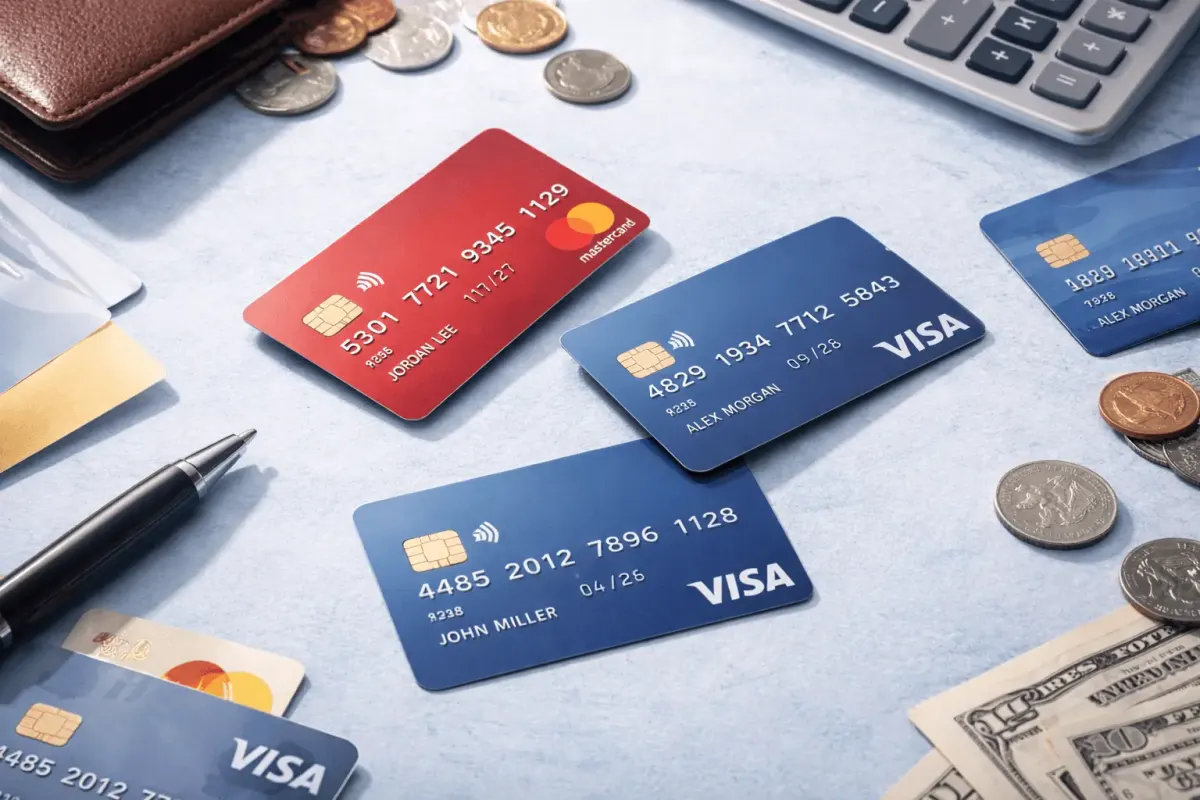
- 💳 Cashless payments let teens pay digitally using debit cards, phone wallets, or online checkout.
- 📊 Digital payments make it easier to track spending, but they can also make money feel less tangible.
- ⚖️ A balanced approach, combining digital tools with financial education, helps teens develop responsible habits.
More and more places, from Starbucks to Disney World, are going cashless. If you’re a teen (or a parent raising one), this shift raises an important question: Is it time to go cashless?
Here’s what you need to know about cashless debit cards, digital payments, and the tools available to help kids spend wisely.
What is a cashless debit card?
A cashless debit card is just like a regular debit card, but you use it to pay digitally instead of handling physical money. Whether you swipe, tap, or use a phone wallet like Apple Pay, the money comes straight out of your account.
These cards are commonly used for everyday purchases like:
- Coffee shops (and yes, many places like Starbucks increasingly rely on digital payments)
- Online shopping
- Public transportation
- Theme parks (many of them now lean toward digital or card payments, though policies vary by location)
Debit card vs. ATM Card: What’s the difference?
Though they look similar, they’re not quite the same:
- ATM Card: Used only to withdraw cash from an ATM. No shopping or online purchases.
- Debit Card: Can be used for everything, buying groceries, shopping online, and withdrawing money. It connects directly to your account balance.
So if you’re going cashless, a debit card is the way to go.
The pros and cons of going cashless as a teen
Pros:
- Safer than carrying bills or coins
- Easier to track spending in real time
- Instant notifications and parental oversight
- Supports budgeting tools and savings goals
- Ideal for online and tap-to-pay purchases
Cons:
- Can make money feel “invisible”
- Overspending is easier without physical cash
- May limit financial learning if not paired with the right guidance
- Requires digital access and reliable infrastructure
That’s why pairing cashless freedom with the right education and tools is so important.
How Modak helps
- 📱 Modak provides teens with a physical and virtual Visa® debit card for safe digital spending.
- 🔔 Real-time tracking and notifications help teens and parents monitor spending and build budgeting habits.
- 🎯 Teens can earn MBX rewards through activities and challenges while learning smart money skills.
Enter Modak: The smart way for teens to go cashless
Modak makes it easy for teens to manage money digitally and learn smart habits.
With Modak, you can:
- Open a free account in minutes (parent approval required)
- Get a physical and virtual Visa® debit card with no monthly fees ³
- Spend online or in stores, including Shein
- Earn MBX points for walking or completing financial challenges ¹²
- Convert MBX into real dollars and track it all in-app¹
It’s a modern, parent-approved way to build financial independence.
How does a cashless society affect the economically disadvantaged?
While going cashless is convenient, it can also raise equity concerns:
- Not everyone has access to smartphones or bank accounts
- Some communities rely heavily on cash-based systems
- Unbanked individuals may face extra fees or exclusion
That’s why tools like Modak matter. We offer accessible, fee-free teen accounts³ that help introduce young people to everyday digital money management.
FAQs
What are the pros and cons of cashless payment systems?
Pros include safety, speed, and tracking. Cons include exclusion risks and the potential to overspend.
What are the advantages and disadvantages of digital payments?
They’re fast and secure, but they depend on tech and can reduce “money awareness” if not used mindfully.
Which is better, cash or digital payment?
It depends. Cash is tangible and useful in emergencies; digital payments are better for tracking and convenience.
Should digital payments replace cash?
Not entirely. A hybrid approach ensures access and flexibility for everyone.
Final thought
Cash isn’t going away overnight, but digital money is already the new normal for most teens. From tap-to-pay stores to online shopping, going cashless is simply how things work in 2025.
With Modak, teens don’t just spend digitally. They learn, track, and grow their financial skills in real time.
Want to get started with smarter spending? Learn more about Modak