
Best reloadable cards for kids (Prepaid vs debit)
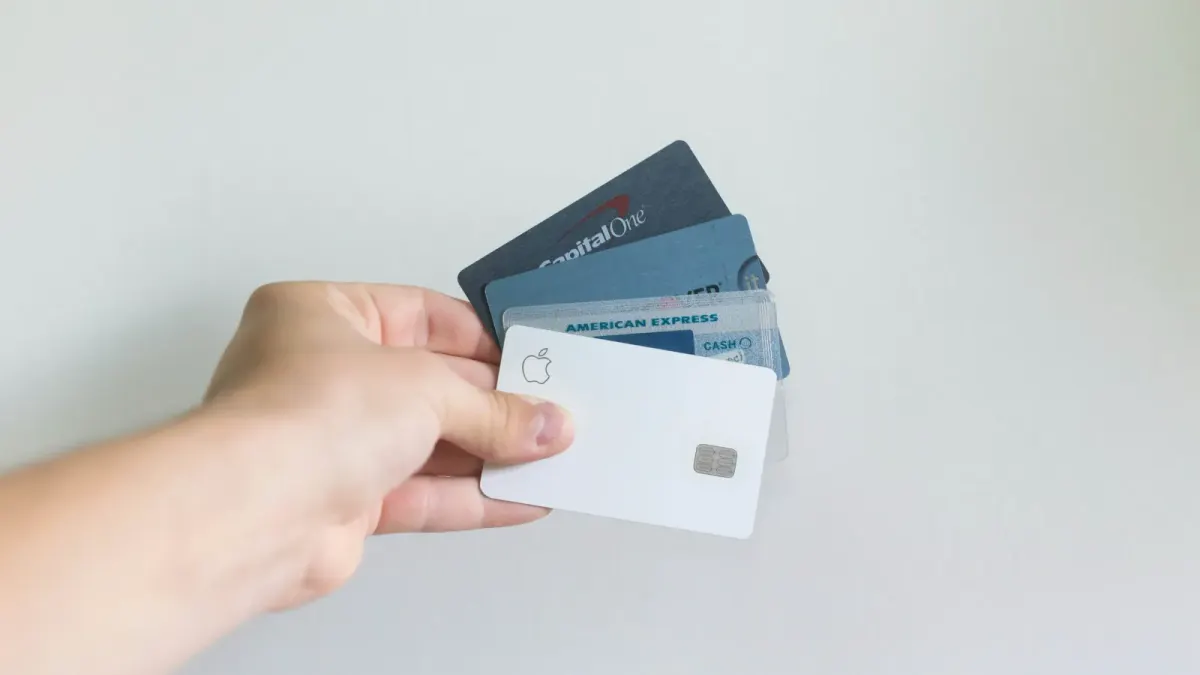
- 💳 Reloadable cards for kids come in two types, prepaid and debit, and understanding the difference is key to avoiding hidden fees.
- 💸 Prepaid cards often require manual reloads and may include activation, reload, or monthly costs over time.
- 📊 Debit-based solutions offer more flexibility, real-time transfers, and better tools for building long-term financial habits.
Quick answer
The best reloadable debit card for kids in 2026 is Modak. It charges no monthly fees, no reload fees, and no minimum deposit. Unlike reloadable prepaid cards, Modak is account-linked, parents can send money instantly via Apple Pay, ACH, or bank transfer. It also includes chore management, MBX gamified rewards that convert to real money, and full parental controls, all at no ongoing cost.
One of the most common things parents search for when looking for a safe money tool for their kids is a reloadable card. The idea is simple: load money onto a card, give your child some independence, and stay in control. But not all reloadable cards work the same way, and the differences matter more than most parents realize.
Some reloadable cards are prepaid products with hidden fees and no parental tools. Others are true debit cards linked to an account that offer instant transfers, full controls, and financial learning built in. This guide breaks down both types, compares the top options for 2026, and explains why the card you choose can make a significant difference in your child’s financial experience.
Disclaimer: This guide is for informational and comparison purposes only and does not constitute financial advice. Product features, fees, and policies are subject to change. Always review each provider’s official terms of service before selecting a product.
What is a reloadable card for kids?
A reloadable card for kids is a payment card that parents can add money to over time, rather than being a one-time use product. The child can spend from the card balance, and the parent reloads it as needed. These cards are designed to give children real spending experience while keeping parents in control.
However, not all reloadable cards are the same type of product. There are two distinct categories, and understanding the difference is essential before choosing one for your family.
Reloadable prepaid cards
A reloadable prepaid card is not linked to a bank account. Parents load money onto the card manually — often through a kiosk, a website, or a third-party service — and the child spends from that balance. Once the balance runs out, it must be topped up again. Many prepaid cards charge fees for activation, monthly maintenance, or each reload. They are generally not designed with kids or families in mind and offer limited or no parental controls.
Reloadable debit cards (account-linked)
A reloadable debit card is connected to an actual account. Parents can send money instantly from their bank account, debit card, or digital wallet, with no third-party kiosk required and no reload fee. Because the card is account-linked, transfers happen in real time. Platforms like Modak build parental controls, chore management, and financial education tools directly into the account experience.
What is the difference between a prepaid card and a reloadable debit card for kids?
This is the most important distinction parents need to understand before choosing a card. The table below compares both types on the features that matter most for families.
In short: reloadable prepaid cards are a workaround. Reloadable debit cards like Modak are a purpose-built financial tool for kids and families.
Best reloadable debit cards for kids in 2026: Full comparison
Here is how the top kids-focused reloadable card platforms compare in 2026. Note that general-purpose adult prepaid cards like Bluebird or NetSpend have been excluded from the primary comparison, they are not designed for children and lack the parental controls and educational features families need. NetSpend is included in the table as a reference point only to illustrate what a non-kid-focused prepaid card looks like.
Modak: Reloadable debit card with no fees
What makes Modak stand out among reloadable cards for kids is its MBX rewards system. Kids earn MBX points by completing chores assigned by parents, walking steps tracked through the app, and completing in-app financial challenges. Those points convert into real U.S. dollars loaded directly onto the card. 100 MBX equals $1 (as of March 2025).
Cost: Free, no monthly fees, no reload fees, no minimum deposit³
What Modak includes:
- No monthly fee, no reload fee, no minimum deposit —
- Instant reloads from parent’s bank account, debit/credit card, or Apple Pay
- MBX gamified rewards: kids earn real money through chores, steps, and challenges
- Full parental controls: real-time transaction alerts, spending limits, instant card lock/unlock
- Savings Goals feature to build long-term saving habits
- Physical and virtual card options, multiple card designs
- Apple Pay and Google Pay compatible
- 24/7 customer support
- FDIC insured via Legend Bank, N.A.
Limitations:
- Does not include investing features found in premium platforms
- Some funding methods (e.g. credit card reloads) may include third-party processing fees
- Designed for kids and teens, not adult banking needs
Modak offers the convenience of a reloadable debit card for kids with no fees³, plus all the benefits prepaid cards usually miss.
BusyKid: Prepaid card with chore integration
Cost: $4/month (billed annually)
BusyKid combines a reloadable prepaid card with chore and allowance management tools. It is a solid option for families who want structured task-based earning, but it requires a monthly subscription and operates on a prepaid model meaning reloads are not always instant and the card is not account-linked in the same way a true debit card is
- Chore and allowance management built in
- Parents can approve transfers and spending
- Works as a reloadable prepaid card
- Monthly subscription required ($4/month billed annually)
- No gamified reward system
- No Apple Pay or Google Pay support
More information at busykid.com
FamZoo: Prepaid card built for families
Cost: $5.99/month or $4.99/month if paid annually
FamZoo supports multiple child accounts with flexible chore and allowance setups, making it a practical option for families with several children. It operates on a prepaid model and requires a monthly subscription. Its interface is functional but feels dated compared to more modern platforms, and it lacks any gamification or reward features.
- Supports multiple child accounts
- Flexible chore and allowance configuration
- Monthly subscription required
- Prepaid model transfers are not always instant
- No gamification or reward features
- Interface may feel outdated for tech-native families
More information at famzoo.com
Greenlight: Prepaid card with advanced parental controls
Cost: $4.99–$9.98/month depending on plan
Greenlight is one of the most feature-rich kids card platforms available and is well known for its advanced parental controls. It operates on a prepaid model and requires a monthly subscription at every tier. The most useful features, such as investing tools and higher savings interest are locked behind more expensive plans.
- Advanced spending limits and category-level controls
- Custom chore assignments and allowance automation
- Supports multiple child accounts
- Monthly subscription required starting at $4.99
- Key features locked behind higher-tier plans
- No MBX-style reward-to-cash earning system
More information at greenlight.com
How Modak helps
- 🚀 Modak removes friction with instant reloads and zero monthly or reload fees, unlike typical prepaid options.
- 🎮 Kids learn by doing through gamified rewards (MBX) tied to real-life financial behaviors.
- 👨👩👧 Parents get full control and visibility while kids build smart money habits with a real debit account.
Side-by-side comparison table
Table data current as of March 2026. Verify current fees and features at each provider’s official website. NetSpend included as a reference for general-purpose prepaid cards, not as a recommended kids product.
Are there reloadable debit cards for kids with no fees at all?
Yes, but very few. Among purpose-built kids card platforms, Modak is the only option in this comparison that charges no monthly fee and no standard reload fee. There is no minimum deposit and no subscription required for core features.
Other platforms like BusyKid, Greenlight, and FamZoo all require monthly subscriptions ranging from $4 to $6 per month. NetSpend and similar general prepaid cards often charge reload fees of $3.95 or more per transaction in addition to monthly fees.
With Modak, parents can reload their child’s card instantly at no standard cost using ACH bank transfer, Apple Pay, or a linked debit card. Some funding methods involving credit cards may include third-party processing fees, check the full Cardholder Agreement for details.
Can I instantly reload my child’s debit card from my phone?
Yes, with Modak you can reload your child’s card instantly from your phone using multiple funding methods. Supported options include ACH bank transfer, linked debit or credit card, and Apple Pay. Transfers reflect on the card in real time, so your child can access the funds immediately without delays.
This is a key difference from prepaid card platforms, where reloads often require visiting a physical kiosk, waiting for a bank transfer to clear, or navigating a third-party top-up service. With a true account-linked debit card like Modak, the parent’s account and the child’s card are connected directly through the platform.
Why Modak is the better reloadable card option
Many reloadable prepaid cards charge activation or reload fees. Modak differentiates itself by offering instant transfers, no standard monthly fees, and built-in financial education tools.
Modak offers a reloadable debit card for kids with no fees³, instant funding, built-in rewards, and full parental control, all inside one simple app. You don’t need to worry about topping up via third-party kiosks or paying activation costs. Everything happens automatically and securely.
And unlike prepaid cards that feel like “disposable money,” Modak teaches kids how to earn, save, and spend, with tools that grow with them.
FAQs
What is a reloadable card for kids?
A reloadable card lets you add funds over time and helps kids manage their spending. Modak works like one, but better.
Is there a prepaid debit card for kids with no fees?
Few prepaid cards are truly free. Modak avoids all the fees³ while offering more features.
What’s the difference between prepaid and debit cards for kids?
Prepaid cards are loaded manually and not tied to accounts. Debit cards like Modak are account-linked and support direct transfers, real-time reloads, and better control.
Can I instantly reload my child’s debit card?
Yes, with Modak, parents can send money instantly from debit/credit cards, Apple Pay, or bank accounts.
Are reloadable prepaid Visa® cards safe for kids?
They can be, but they usually lack child-focused features. Modak Visa® debit card is issued by Legend Bank, N.A., FDIC-Insured. Modak’s Card is purpose-built for kids.
Which reloadable card is right for your family?
The right choice depends on what you want the card to do for your child:
- If you want zero fees, instant reloads, and financial learning tools: Modak is the only option that delivers all three³.
- If you want advanced parental controls and are willing to pay a subscription: Greenlight’s higher-tier plans offer the most granular control.
- If you have multiple children and need flexible allowance setups: FamZoo supports multiple accounts at a lower annual cost.
- If you want chore integration with a simple prepaid setup: BusyKid is a reasonable mid-tier option.
For most families looking for a reloadable debit card for kids with no fees, Modak is the clear long-term choice and the only one that teaches kids to earn, save, and spend through a single integrated platform.
Final thoughts
If you’re looking for a reloadable debit card for kids with no fees³, Modak is your best bet. It works like a preloaded debit card, but without the costs, delays, or limitations. Instead, you get instant transfers, smart money tools, gamified learning, and a debit card your kid can grow with.
Skip the prepaid headaches. Choose Modak and give your child the freedom to learn, spend, and save, the smart way.
- Modak cards are issued to parents/guardians for use by minors. Users under 13 require parental consent. For children under 13, Modak complies with COPPA regulations.
- BusyKid pricing and fee information verified via BusyKid official card page and fee schedule as of February 2026.
- FamZoo pricing and product features verified through FamZoo official site and third-party pricing summaries as of February 2026.
- Greenlight pricing tiers and feature listing based on published comparisons of current plans as of February 2026.