
What kids are really saving toward
- 🍔 Kids spend on everyday moments, not just things, food, routines, and time with friends.
- 🔓 What matters most isn’t the purchase, it’s the independence of not having to ask.
- ❤️ Even early on, many kids choose to spend on others or save for something meaningful.
The quotes below come directly from kids and teens who responded to a challenge inside the Modak app. Grammar has been lightly corrected for readability. No answers were fabricated or altered in meaning.
A debit card tells you a lot about a person. Not just what they buy but what they care about, who they think about, and what kind of future they are quietly building toward.
Inside the Modak app, we asked kids and teens one simple question:
“What do you usually use your MoCard for?”
The responses came in. Hundreds of them. Honest, specific, funny, and more than once genuinely surprising.
Here is what they told us.
1. Food. Just… a lot of food.
If there is one universal truth in this dataset, it is this: kids are hungry. Food and snacks came in as the single most common use of the MoCard by a wide margin, candy, slushies, McDonald’s, boba, energy drinks, school lunch, Dairy Queen, Starbucks. The list goes on.
“I love buying Starbucks drinks.”
“There is a boba shop by my dance studio, and I go over there when I wait for my dad to pick me up.”
“I usually use my MoCard at Dairy Queen, or for online purchases like my Spotify subscription or Roblox currency.”
“I most often use my card for puzzles and gum to share with my sister.”
“I usually use my MoCard for lunch or snacks when I go out to lunch during school.”
What stands out in these responses is the specificity. It is not just “food” it is the boba shop next to the dance studio, the gum they share with their sister, the Dairy Queen after practice. These kids are not just spending. They are building rituals.
2. The real reason most kids use it: not having to ask
Across the entire dataset, one theme came up again and again, not as a category, but as a feeling underneath almost every response. Kids do not just want to buy things. They want to buy things without having to ask someone for permission first.
“I use my MoCard when I am bored and I want to do some online shopping, or when I go to the store and I want something from there, and I do not have to ask my mom for anything, I can just pay for it.”
“So I don’t have to ask my parents to buy things for me.”
“I usually spend my MoCard on fun stuff or candy.”
“I use it for stuff that I want.”
“Food, it makes paying for myself with friends easier.”
“I do not have to ask my mom for nothing.”
That sentence is the whole story. Having a card does not just change what kids can buy, it changes the dynamic between them and their parents. The ask is removed. The kid becomes the decision maker. That shift is what the card actually means to them.
3. Digital spending is a first-class purchase category now
A significant group of kids described their most common use of the card as digital, Robux, V-bucks, Roblox, PlayStation purchases, Steam games, Spotify subscriptions, Crunchyroll, and in-game items. For this group, the MoCard is not a mall card. It is an online card.
“I typically use my MoCard for Robux and other subscriptions!”
I use my Modak card for buying games for my VR and Xbox.“
“I am going to start commonly using my Modak card for Crunchyroll so I can finally watch my favorite animes.”
“I usually use it to buy items on video games.”
“I usually use my MoCard at Dairy Queen, or for online purchases like my Spotify subscription or Roblox currency.”
What is worth noticing here is that these kids are managing recurring subscriptions, not just one-time purchases. A Spotify subscription renews. Crunchyroll renews. These kids are, without necessarily thinking about it in those terms, learning what fixed monthly costs feel like. That is a real financial concept, and they are living it.
4. A surprising number of kids spend their money on other people
This was the finding that stopped us. Across the dataset, dozens of kids described using their card not for themselves, but for someone else. Friends, siblings, parents, a boyfriend, a baby sister who has not even been born yet. Nobody asked them to. They just did it.
“I usually use Modak for getting myself snacks and buying stuff for my friends, more like spoiling them…”
“I bought Christmas gifts for my whole family.”
“Nothing yet, but I hope that when it arrives I’ll be able to buy things for my baby sister.”
“I mostly use it for gifts, me, and yummy foods.”
“I use it to buy gifts and presents.”
“I go to church every Wednesday and spend 5 dollars every week.”
“I bought Christmas gifts for my whole family.”
That is not a kid who was told to be generous. That is a kid who had money, thought about the people around them, and made a choice. The church kid spending five dollars every Wednesday is the same story. When kids have their own money, a meaningful number of them immediately think about what they can do for someone else. That is worth knowing.
How Modak helps
- 💳 Modak gives kids real autonomy to make their own spending and saving decisions.
- 📊 The app makes the full money loop visible, earning, spending, and saving in one place.
- 🎯 It helps kids turn everyday choices into habits that build confidence with money.
5. The savers are quiet, but they showed up
Saving was not the most common answer. But it was consistent, and the kids who mentioned it were specific about what they were doing and why. They are not just sitting on their balance. They have a plan.
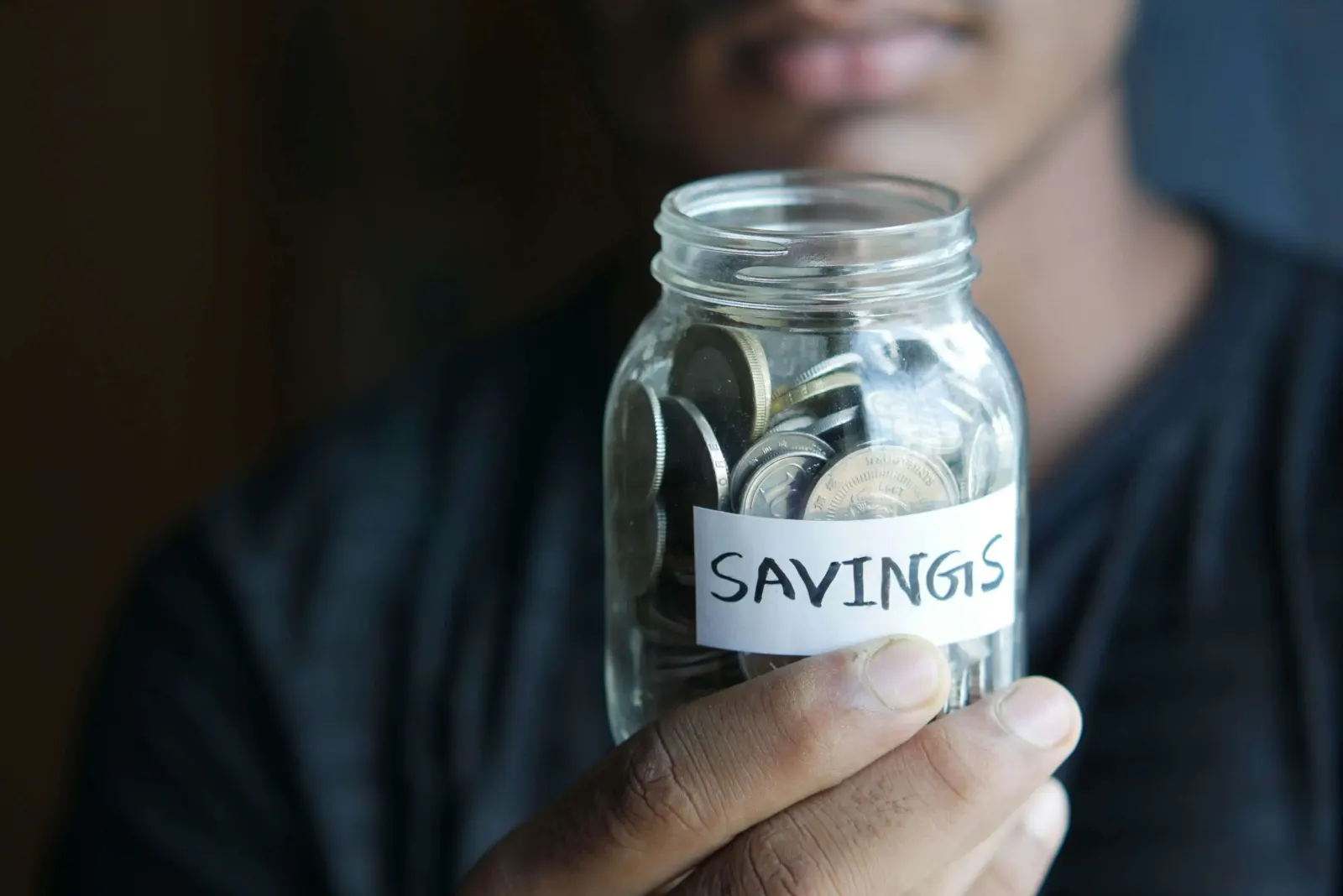
“I usually use my MoCard to save my money so I can buy something big in the future.”
“I use it as my backup savings account.”
“I’m saving up for my shopping cart on Amazon.”
“I haven’t used it yet, I’m trying to save money, but I’m sure I’ll use it in Five Below, my favorite store.”
“Nothing, I save for college.”
That response came from a kid using a debit card designed for snacks and Robux, and their answer was college. The range in this dataset is genuinely remarkable. Some kids are saving for a $5 item at Five Below. One is saving for college. What they have in common is that they are both doing the same thing: deferring a purchase because something in the future matters more to them right now.
6. And then there were the honest ones
Not every response had a tidy narrative arc. Some kids just told the truth, quickly, confidently, with no further explanation needed.
“Nothing because I’m poor.”
“Paying back my brother. I get him to buy me stuff and I keep forgetting to stop.”
“I buy candy but I should save it.”
“Ok, don’t make fun of me, but for a game.”
“I haven’t used it yet, I want to use it to buy gum.”
The self-awareness in that response is hard not to love. This group of kids is not performing financial responsibility, they are just being honest about where they are. And honestly? That kind of self-awareness is where good money habits actually start. You cannot improve something you will not look at directly.
What all of this tells us about kids and money
When you look at all these responses together, a picture emerges that is more complicated than the “kids just spend on candy” headline. Yes, candy is popular. So is Robux. But so is buying Christmas gifts for the whole family, saving for college, and giving five dollars every Wednesday at church.
What kids do with money reflects what they care about. And what they care about, independence, generosity, their friends, their hobbies, something big they are working toward, is not that different from what adults care about.
That is part of what Modak is built around. When a kid completes a chore, earns money, and then decides to spend it on their friends or save it for something big, the whole loop is visible, to them and to their parents. The card is not the point. The decision behind the card is. And every one of those decisions is a chance to build the kind of relationship with money that follows them into adulthood.
The gum kid and the college kid are both on their way. They just need room to figure it out.
Give your kid the card they’ll actually use
Modak gives kids a real debit card and the freedom to spend, save, and earn, with parents informed every step of the way. Get started at Modak now!
About this challenge
These responses were collected through the MoCard Habit Check challenge inside the Modak app, where kids and teens respond to financial and personal growth prompts. Modak is a kids debit card and financial learning platform for children up to 17 years old.
Editorial note
All quotes in this article were submitted by real kids and teens through the Modak in-app challenge “What do you usually use your MoCard for?” 397 responses were collected in total. Grammar and spelling were lightly corrected for readability. No responses were fabricated or altered in meaning. The themes and sections reflect the most common topics that emerged organically across the full dataset. “MoCard” is the term kids use in their responses, it refers to the Modak Visa_®_ debit card.
- For children under 13, Modak complies with COPPA regulations. Parents create and manage all accounts on behalf of minors.