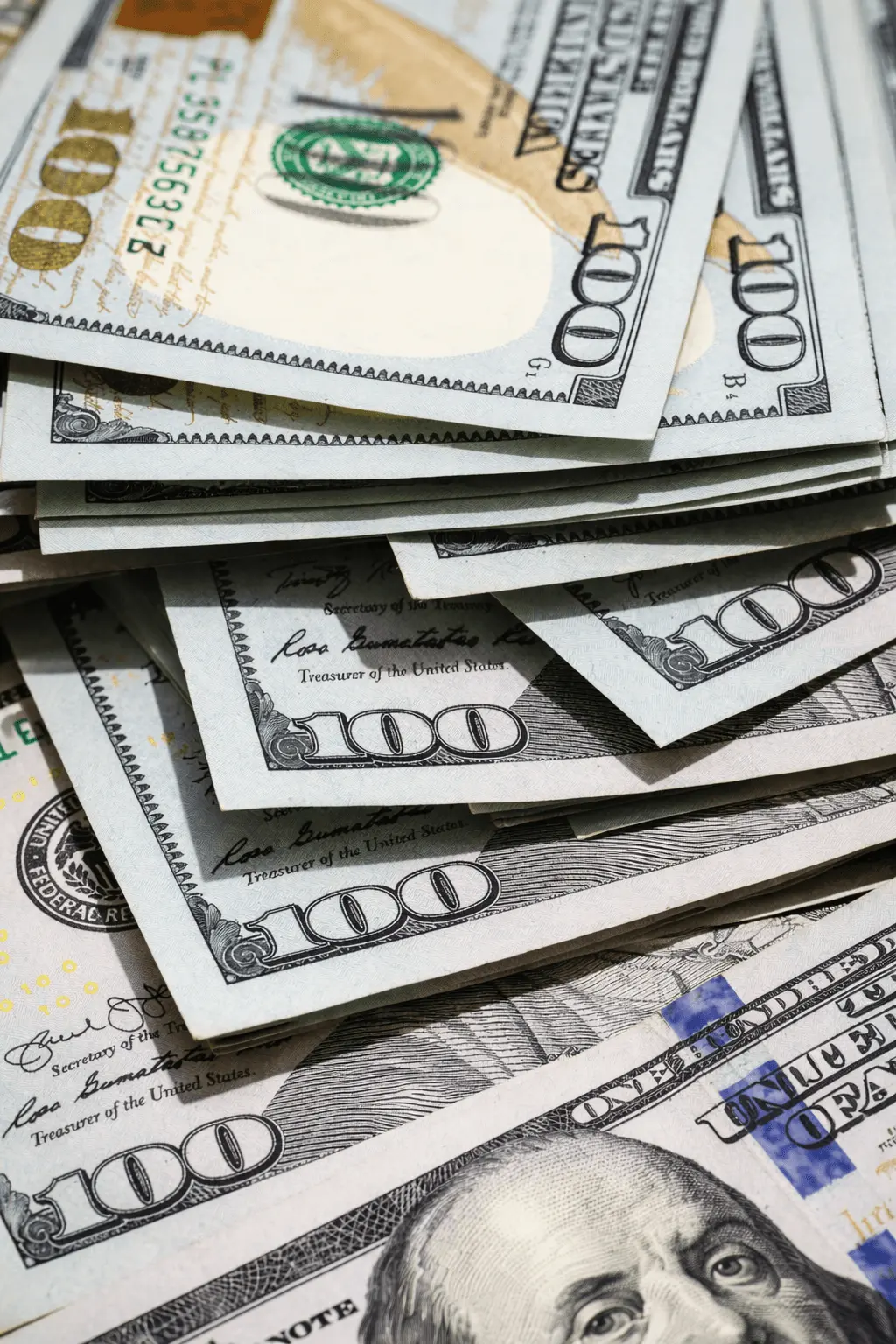
💵 The $20 bill features Andrew Jackson, whose legacy and place on U.S. currency remain widely debated.
📜 Some $20 bills can be worth more than face value due to errors, rare serial numbers, or older designs.
🔄 Money is evolving as cash use declines and digital payments become more common in everyday life.
If you've ever paid with cash in the U.S., odds are you've used a $20 bill. It's one of the most commonly circulated denominations, a go-to for everything from coffee to groceries. But have you ever stopped to ask, "Who's on the $20 bill?"
The answer: Andrew Jackson, the seventh president of the United States.
Jackson served from 1829 to 1837 and played a pivotal role in shaping early American politics. He was known for expanding presidential power and founding the modern Democratic Party. His populist image and military leadership earned him widespread fame.
But Jackson's legacy is deeply controversial. His forced relocation policies toward Native American communities, especially the Trail of Tears, have made his place on U.S. currency a topic of debate.
Still, since 1928, Jackson has remained on the $20 bill, though that may change.
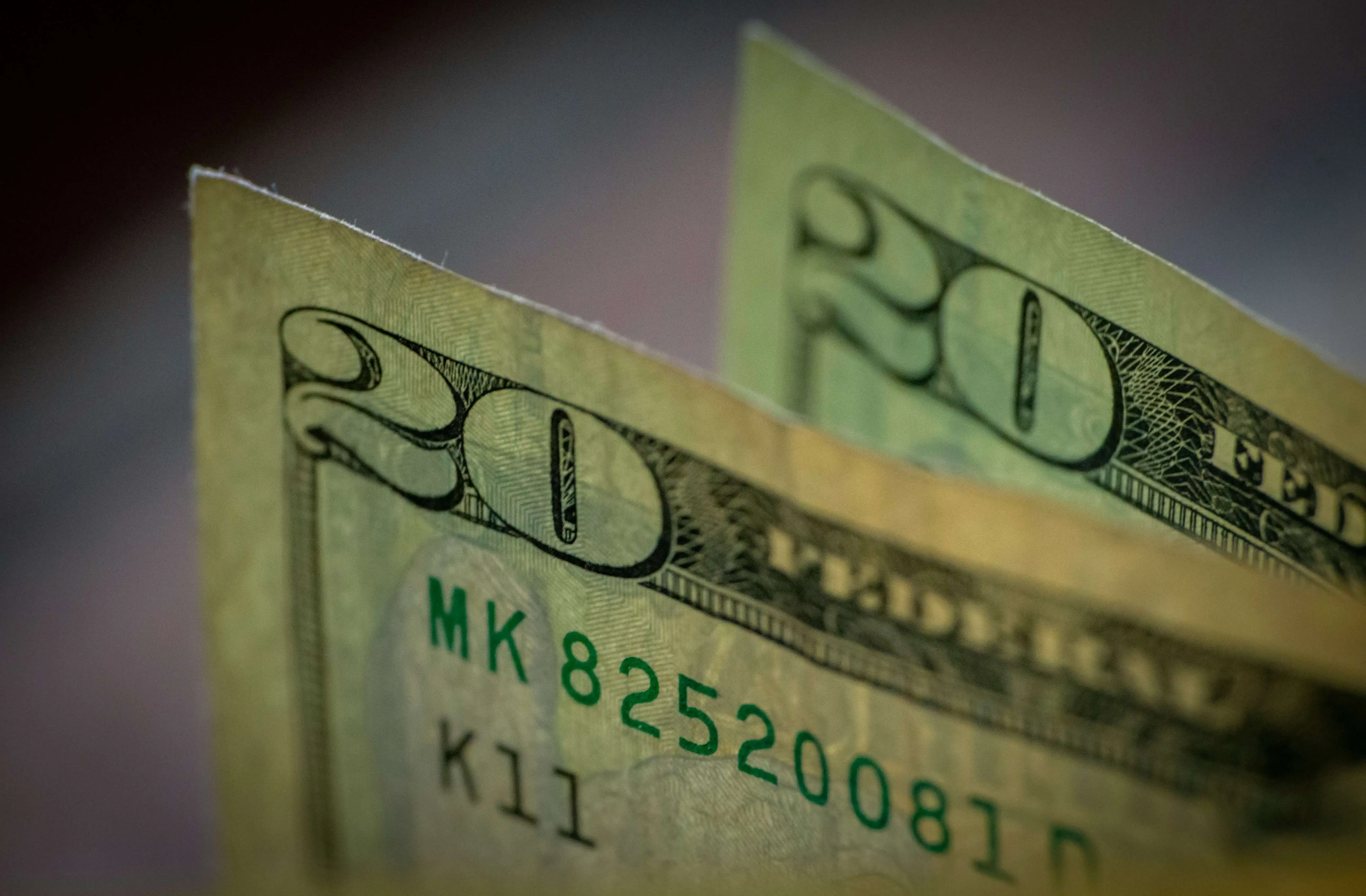
Yes, at least that’s the plan. In 2016, the U.S. Treasury announced that abolitionist Harriet Tubman would replace Andrew Jackson on the front of the $20 bill, moving him to the back.
After delays during the previous administration, the Bureau of Engraving and Printing has confirmed that work on the redesign has resumed, with a current target of unveiling the Tubman $20 design by 2030, though no official release date has been announced.
Most $20 bills aren’t rare, they’re printed in huge quantities. But some are worth more than their face value:
If you have one of these, it might be worth checking with a currency appraiser or collector5.
💳 Modak gives teens a Visa® debit card to spend digitally instead of relying on paper cash.
🏃 Teens can earn MBX points by walking and completing financial challenges, then turn them into real money.
📱 The Modak app helps teens learn modern money skills like spending, saving, and earning in one place.
The $20 bill is still everywhere, but the way we spend money has changed. More and more stores are going cashless. Whether you're grabbing boba, buying school supplies, or splitting lunch, people are reaching for debit cards or tapping their phones.
So, what does this mean for you?
That’s where Modak comes in. As a teen, you can open a Modak account (with parental approval) in just a few minutes. No monthly fees4. You get your own Visa® debit card1, both physical and virtual, that works almost anywhere.
Use it to:
While cash is still useful, digital tools like Modak make managing money easier, safer, and a lot more fun.
The current $20 bill is mostly green with subtle peach highlights. It features:
These features make it both secure and recognizable.

Look for misprints, star notes, old series, or low serial numbers. These can make a common bill collectible.
Andrew Jackson, the 7th U.S. president.
He was chosen for his political influence and populist appeal, but his legacy is mixed and remains controversial.
Yes. The redesign is in progress and planned for release later this decade.
The $20 bill may be one of the most used pieces of paper in your wallet, but your financial life doesn't have to be old school. With Modak, you get a modern way to spend, save, and earn, all from your phone.
Paper money has history. You make the future.
Ready to go beyond cash? Learn more about Modak