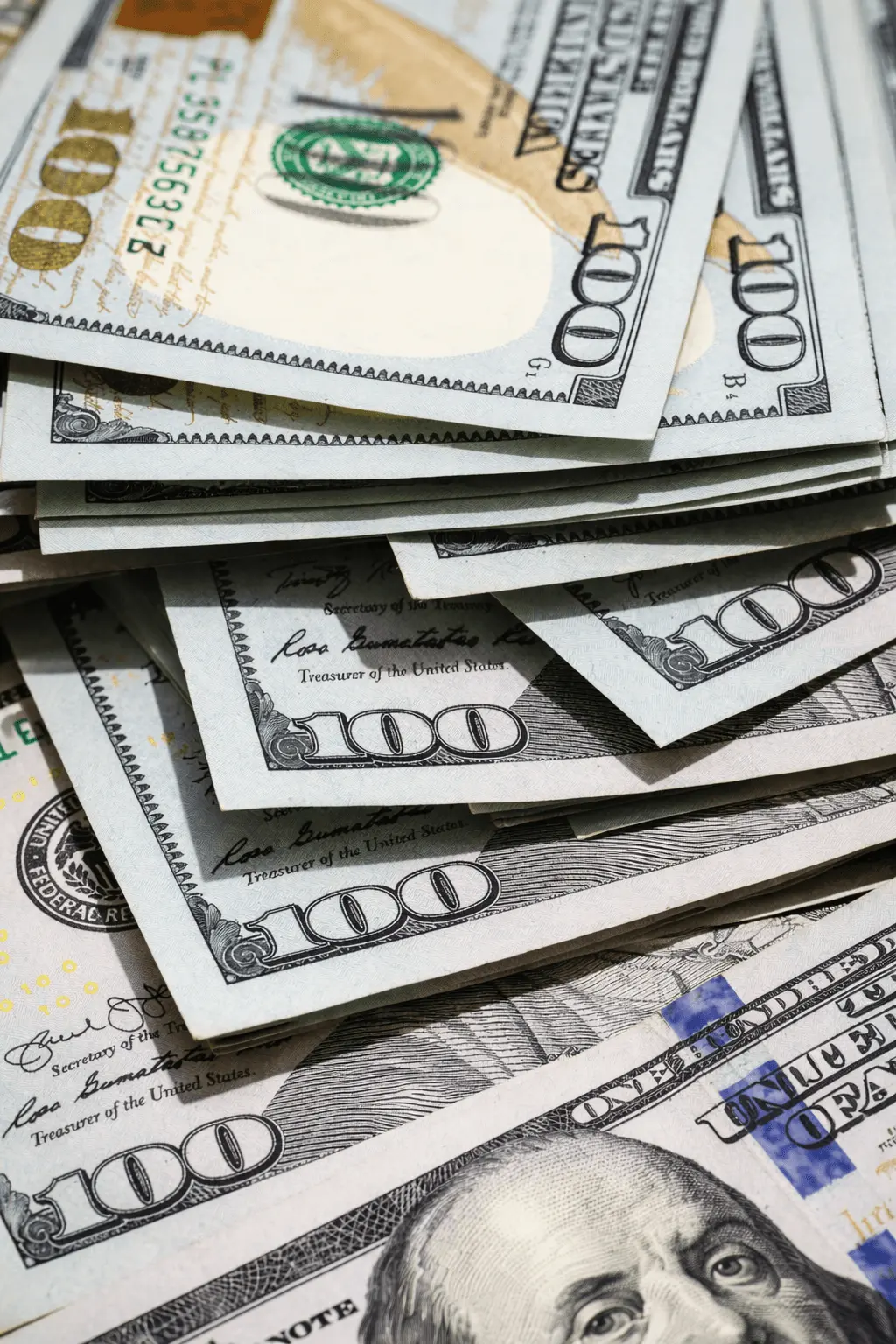
💵 The $100 bill features Benjamin Franklin, the only non-president on U.S. paper currency.
🔍 Modern $100 bills include advanced security features to prevent counterfeiting and fraud.
📜 While rich in history, cash is being used less as digital payments become the norm.
The $100 bill is iconic. It's the highest denomination still in circulation, and it carries a certain reputation, whether as a status symbol, emergency stash, or the go-to gift from grandparents. But have you ever stopped to wonder who's on the $100 bill?
The face you see is Benjamin Franklin, and he's a bit of an outlier.
Unlike every other person featured on U.S. paper currency, Benjamin Franklin was never a president. He was a statesman, inventor, publisher, diplomat, and one of the most influential Founding Fathers.
Franklin's impact on American economic thought, civic innovation, and diplomacy earned him this honor. According to the U.S. Currency Education Program, his legacy made him the only non-president featured on circulating U.S. currency.
While Grant was a Civil War hero and later a president, Franklin represents an entirely different type of legacy, one rooted in science, diplomacy, and invention.
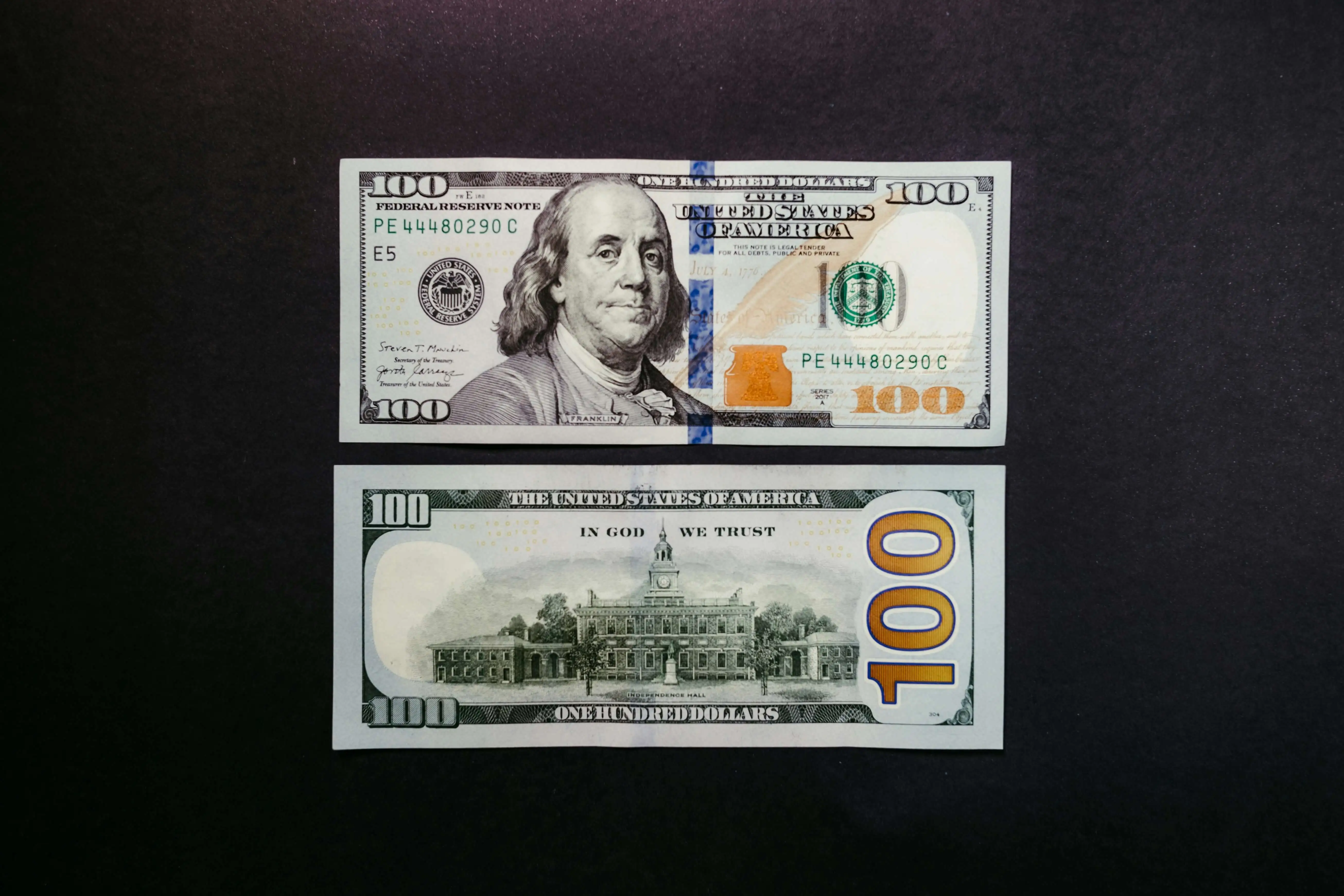
Released in 2013, the redesigned $100 bill includes major upgrades to prevent counterfeiting. As outlined by USCurrency.gov, some of the standout features include:
These enhancements make the note both beautiful and secure, while keeping Franklin's portrait front and center.
💳 Modak gives teens a Visa® debit card to spend digitally instead of relying on cash.
📱 Teens can track spending, save, and manage money all from one app.
🎯 Modak helps teens build financial skills through rewards, challenges, and real-life money use.
Most $100 bills are only worth their face value. But as outlined by experts at LoveToKnow, some specific traits can make them collectibles:
Collectors often pay thousands for these if they're in good shape.
There isn’t a hidden second person, but there are subtle embedded features. As explained by USCurrency.gov, when held up to the light, you’ll see:
While some theories suggest secret faces, these are official design elements.
High-denomination notes are prime targets for counterfeiting. According to U.S. Currency Education Program guidelines, here’s what to check:
If any of these features are missing or poorly reproduced, the note may be fake.
That crisp $100 might be impressive, but let’s face it: most teens today aren’t walking around with paper money. Between contactless payments, Apple Pay, and online shopping, digital money has taken over.
And that’s where Modak fits right in.
As a teen, you can open a free Modak account (with parental approval) in just a few minutes4. You’ll get a Visa® debit card1, both physical and virtual, with no monthly fees4. It’s designed for how you live today:
Benjamin Franklin helped shape the financial future of the U.S. In 2025, that future looks like Modak, smart, secure, and digital.

Benjamin Franklin, one of the most influential Founding Fathers.
His legacy as an inventor, diplomat, and economic thinker made him worthy of the honor.
Ulysses S. Grant is on the $50; Benjamin Franklin is on the $100.
There is no hidden person, but Franklin’s watermark is visible when held up to the light.
The $100 bill is a powerful piece of paper, rich with history and security features. But in the real world of 2025, digital wallets and debit cards are how money moves.
With Modak, you don't need to carry cash to build financial skills and confidence. Whether you're earning, saving, or spending, you can track and manage your spending from your phone.
Ready to join the future of money? Learn more about Modak