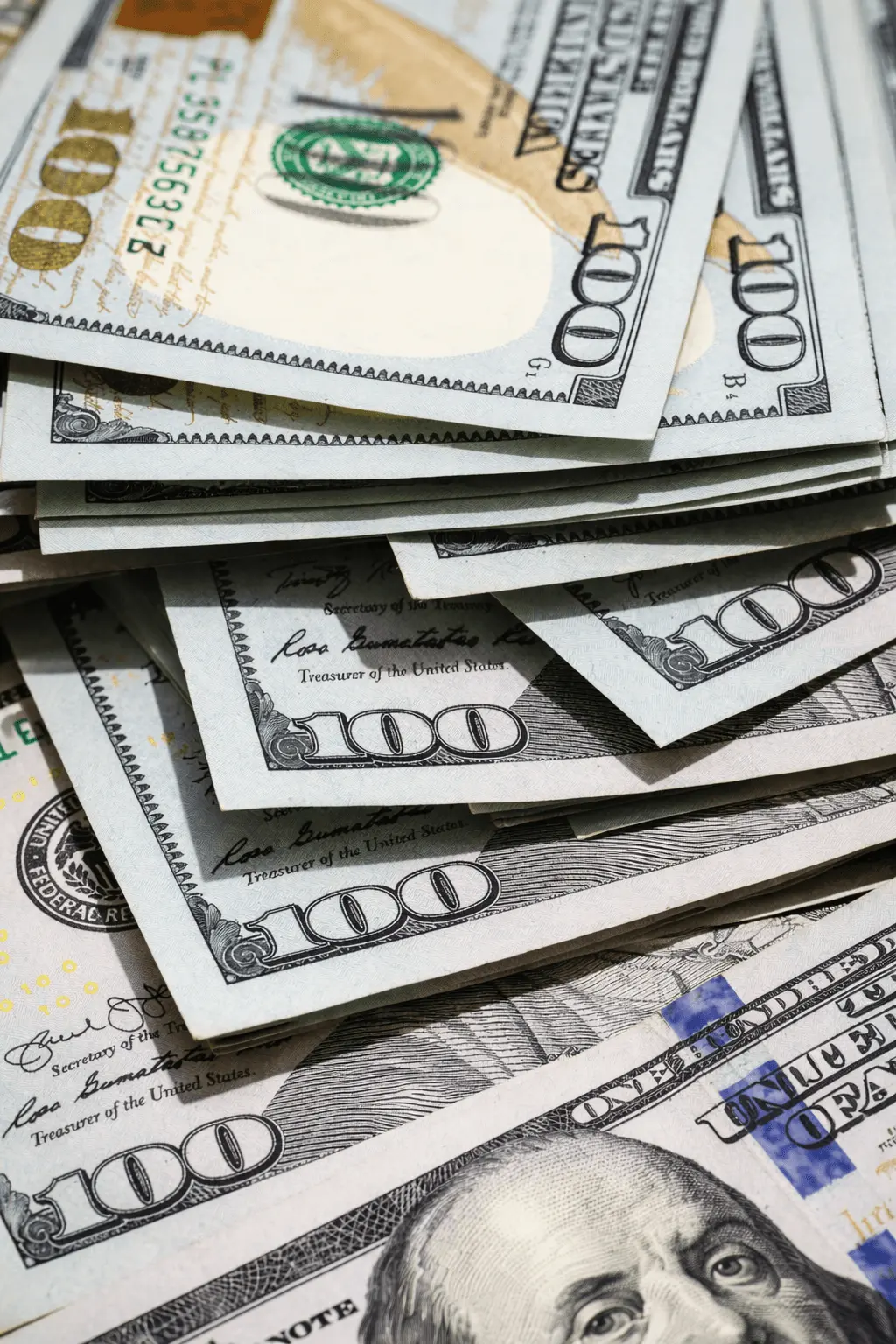
🏛️ The $1,000 bill was created for large institutional transactions, not everyday spending.
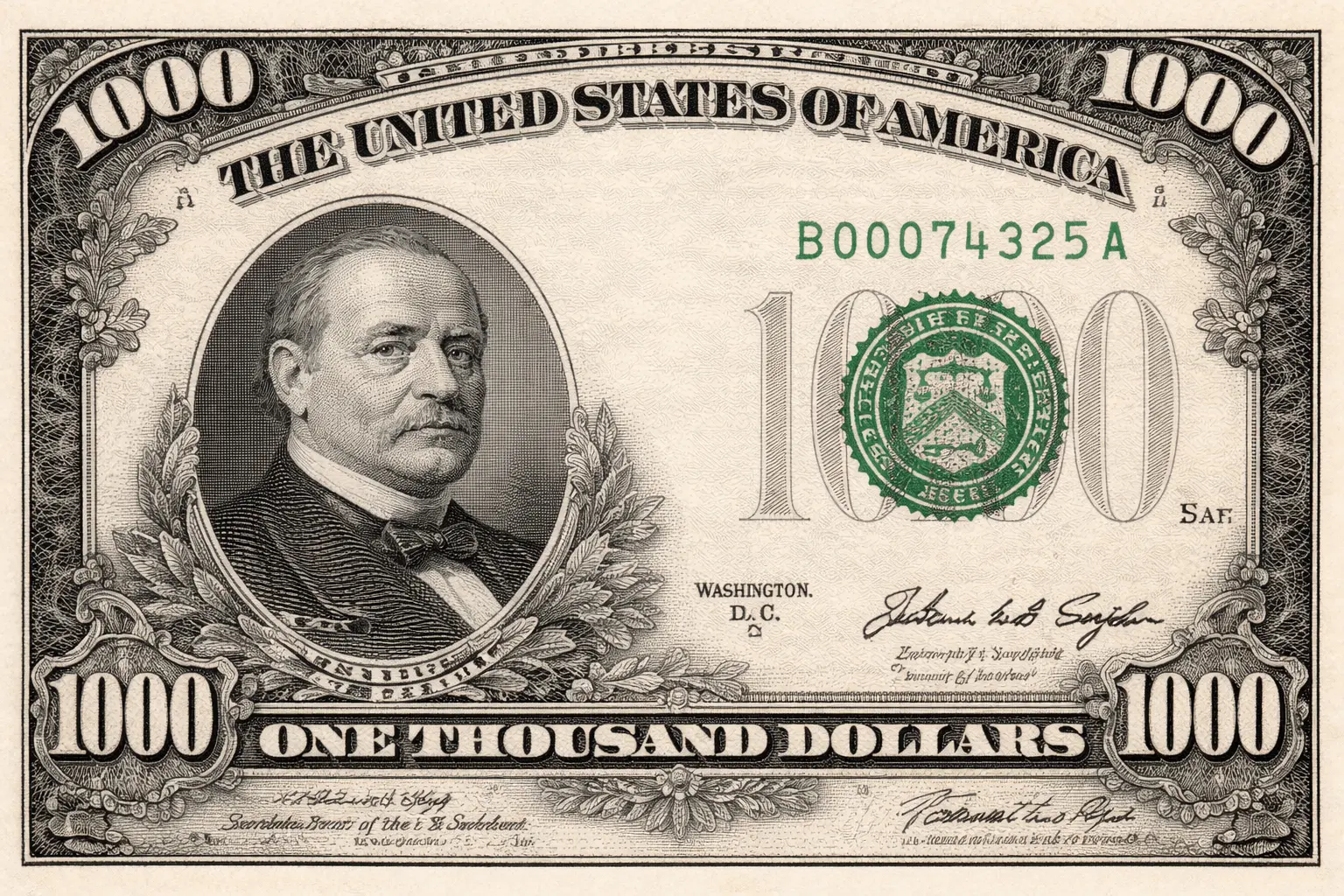
📜 Grover Cleveland is featured on the bill, reflecting a unique moment in U.S. monetary history.
💵 High-denomination cash faded out as electronic and digital banking became more efficient.
The face value may be $1,000, but its collector value is much higher. Depending on the condition and rarity, a $1,000 bill can fetch anywhere from $2,000 to over $10,000 at auctions5.
Bills in pristine, uncirculated condition are particularly valuable. Some collectors look for unique serial numbers or historical significance, which can drive the price even higher.
Technically, yes. High-denomination bills like the $1,000 note are still considered legal tender. That means banks could accept them, though policies vary by institution.
But in reality? Most banks won't have any on hand. And if you walked in trying to deposit one, you'd likely get a lot of curious stares and a referral to the bank manager.
The last series of $1,000 bills was printed in 1945 and issued by the U.S. Treasury in 1969, a decision later confirmed by the Federal Reserve, which explains that the discontinuation of high-denomination bills coincided with the rise of electronic banking systems. Today, the highest bill in circulation is the $100 note.
Fast forward to today, and most people rarely use cash, let alone bills worth $1,000. Many stores are going cashless. Cards and digital wallets are now the norm.
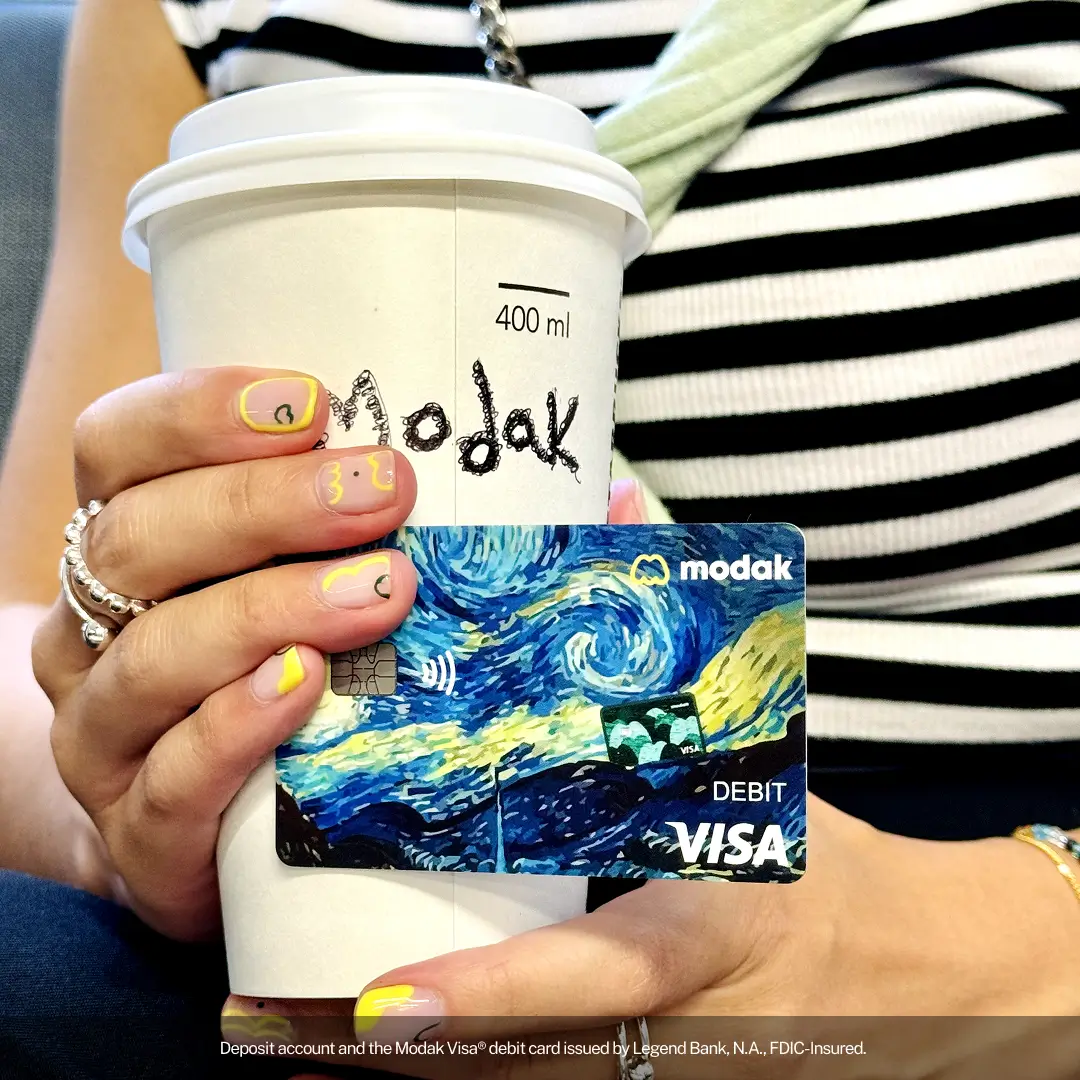
That’s where Modak fits perfectly. If you’re a teen, you can open a free Modak account (with parental approval) in just a few minutes and get a Visa® debit card, both physical and virtual, with no monthly fees(1)(4). Use it to shop online, in stores, or even on platforms for online shopping.
Cash might’ve been king, but in 2025, financial freedom lives in your pocket.
It features a portrait of Grover Cleveland on the front, with green and black ink tones like other U.S. currency from the 1930s. It carries a "Series 1934" designation and a unique serial number.
The design is large and distinct, nothing like the smaller denominations you carry today.
💳 Modak replaces the need for large amounts of cash with a safe, teen-friendly Visa® debit card.
📱 Teens can manage, track, and spend money digitally in real time, no physical bills required.
🎯 Earning MBX rewards and completing challenges helps teens build smart financial habits for today’s cash-light world.
While the $1,000 bill is now a collector's item, digital money is part of everyday life. Especially for teens, tools like Modak offer a way to earn, save, and spend without needing physical cash.
With Modak, teens can:
And they can do it all from a single app, without needing to visit a physical bank branch.
Depending on condition, it can be worth $2,000 to $10,000 or more to collectors.
Grover Cleveland is featured on the 1934 $1,000 bill, the most recognized version.
Yes, but most don’t deal with them. They're legal tender, but extremely rare.
The last series was printed in 1945 and officially discontinued in 1969.
The $1,000 bill may be gone, but financial empowerment is more accessible than ever. Modak gives teens real tools to manage money, build smart habits, and earn rewards.
With Modak, you're not just holding onto outdated cash, you're stepping into a new era of money management. It's secure, seamless, and built for how teens live today. And who knows? Maybe your modern-day Modak card will one day be just as legendary as a $1,000 bill.
Ready to go from history to your future? Learn more about Modak