
1943 steel penny value: What It's worth and why It still matters
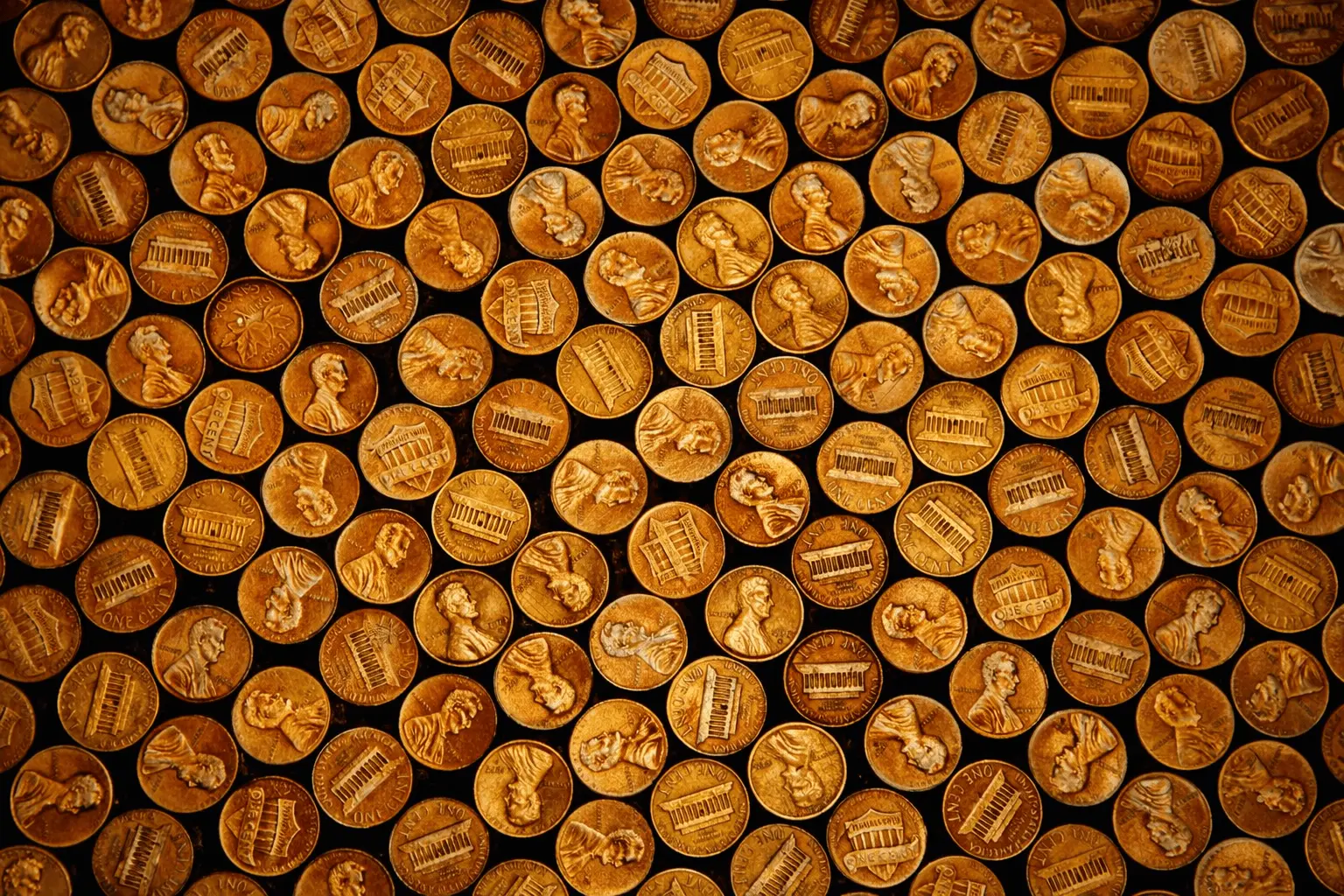
- 🪙 The 1943 steel penny shows how money can change during major historical events like World War II.
- 🔍 Most 1943 steel pennies are common, but rare errors and copper versions can be worth thousands.
- 📜 Collecting coins helps teach the history, value, and evolution of money over time.
At first glance, a 1943 steel penny might seem ordinary. But to collectors and history lovers, it’s a fascinating reminder of how money adapts to meet the needs of its time.
Why were 1943 pennies made of steel?
During World War II, copper was urgently needed for military supplies. To conserve this crucial metal, the U.S. Mint created pennies out of steel coated with zinc. This change happened only in 1943, making these coins a temporary but memorable shift in U.S. currency.
Instead of the traditional brown, these coins appeared shiny and silver, and they were magnetic, unlike most other coins in circulation. According to Coin Identifier, this was a practical response to wartime resource shortages.
What is the value of a 1943 steel penny today?
While hundreds of millions were made, most 1943 steel pennies aren’t especially valuable. Here’s a quick guide:
- Circulated condition: 10 to 50 cents
- Uncirculated (mint state): $1 to $10 depending on grade
- Rare errors or copper versions: $1,000 to over $100,000
The most valuable 1943 pennies are the rare copper ones, accidentally made from leftover copper blanks. If you suspect you have one, get it authenticated by a professional grading service, it could be worth a fortune. The U.S. Gold Bureau highlights that the rarest examples can exceed $100,000 in value.
How can you tell if a 1943 penny is steel or copper?
It’s simple:
- Magnet test: Steel pennies stick to magnets. Copper ones don’t.
- Color: Steel pennies are silver-colored; copper ones look reddish-brown.
- Weight: Copper coins weigh slightly more (3.11 grams vs. 2.70 grams).
These simple tests, as noted by experts on Coin Identifier, can help you distinguish between common and rare variations.
Note: For valuable coins, consult a professional grader before testing. These home tests are for general identification only
Are 1943 steel pennies rare?
Most aren’t. Because they were mass-produced, regular 1943 steel pennies are common. However, certain versions are considered rare:
- 1943-D/D (repunched mint mark)
- Double die errors
- High-grade mint state coins
Collectors also look for 1943 pennies with mint marks (D = Denver, S = San Francisco, no mark = Philadelphia), which can affect value slightly. Rarity details like these are thoroughly broken down by Coin Identifier.
How Modak helps
- 💳 Modak shows how money has evolved from physical coins to modern digital spending tools for teens.
- 🎯 Teens can earn and convert MBX points into real dollars, learning the value of money through action.
- 📱 Modak helps build real-world financial skills like spending, saving, and tracking money in real time.
A lesson in how money evolves
The 1943 steel penny shows how money can change in response to world events. In 1943, the change was about helping the war effort. In 2025, the change is about speed, security, and convenience.
Physical coins and cash are becoming less common. Many businesses are going cashless, and even small transactions are handled with cards or digital wallets.
What would the modern equivalent be?
Instead of searching for rare coins to learn about money, teens today can use Modak to manage their finances in real time. With Modak, you can:
- Open a free account in minutes (with parent approval)³
- Get a Visa® debit card, virtual and physical
- Shop online and in stores
- Add your card to Apple Pay or Google Pay
- Earn MBX points by walking or completing financial challenges²
- Convert MBX to real dollars and use them for purchases¹
There are no monthly fees³, and it works on platforms like Shein (subject to approval). You don’t need to wait for rare coins to start building smart money habits.
The 1943 penny shows how money once changed. Modak shows how it’s changing now.

FAQs
What is the value of a 1943 steel penny today?
10 to 50 cents in circulated condition. Uncirculated or error coins can be worth much more.
How can I tell if my 1943 penny is steel or copper?
Use a magnet, steel sticks, copper doesn’t. Also check the color and weight.
Why were 1943 pennies made of steel?
To conserve copper for military use during World War II.
Are 1943 steel pennies rare?
Most are common, but errors, high grades, or copper versions can be very valuable.
Final thought
The 1943 steel penny is more than just a cool coin. It’s a window into how money changes with the times. In today’s world, digital tools like Modak are shaping the future of finance.
Want to start managing money smarter? Learn more about Modak
- Coin values are estimates based on historical market data and may vary. Consult a professional numismatist for accurate appraisals