
How to void a check (and why you should still know how to write one)
- 📝 Knowing how to write a check is still a useful life skill, even in a world of digital payments.
- 🚫 Learning how to void a check helps with tasks like setting up direct deposit and avoiding mistakes.
- ⏳ Checks don't last forever, so understanding expiration timelines can help prevent payment issues.
Even in a world of debit cards, digital wallets, and instant money transfers, learning how to write a check is still an essential life skill. Whether you’re paying rent, submitting a voided check for direct deposit, or writing your first payment to a landlord who doesn’t accept apps, you’ll need to know the basics.
If you’re a teen (or a parent helping your child learn money management), this guide breaks it all down.
Why checks still matter in 2026
Not every transaction happens online. Some employers still require a voided check for direct deposit setup, and certain landlords or government offices may only accept checks.
Learning how to write, void, and manage checks is still a key part of financial literacy. For teens especially, it helps connect traditional banking knowledge with the way money works today.
Even if checks feel outdated, understanding them means you’re ready for any situation.

How to write a check: Step-by-step
Writing a check might seem confusing at first, but once you understand each section, it becomes simple:
1. Date
Write the current date in the top-right corner.
2. Payee
On the “Pay to the Order of” line, write the full name of the person or business.
3. Amount (numerical)
In the small box, write the amount (e.g. 1500.00).
4. Amount (words)
Write the amount in words: One thousand five hundred and 00/100 dollars
5. Memo (optional)
This field helps explain what the check is for (like “August rent” or “Birthday gift”).
6. Signature
Sign your name on the bottom right line. Without this, the check isn’t valid.
Knowing how to write a check also helps you spot fake ones, manage your funds, and complete official forms. While checks aren’t used daily, understanding them helps you in moments where digital just doesn’t work.

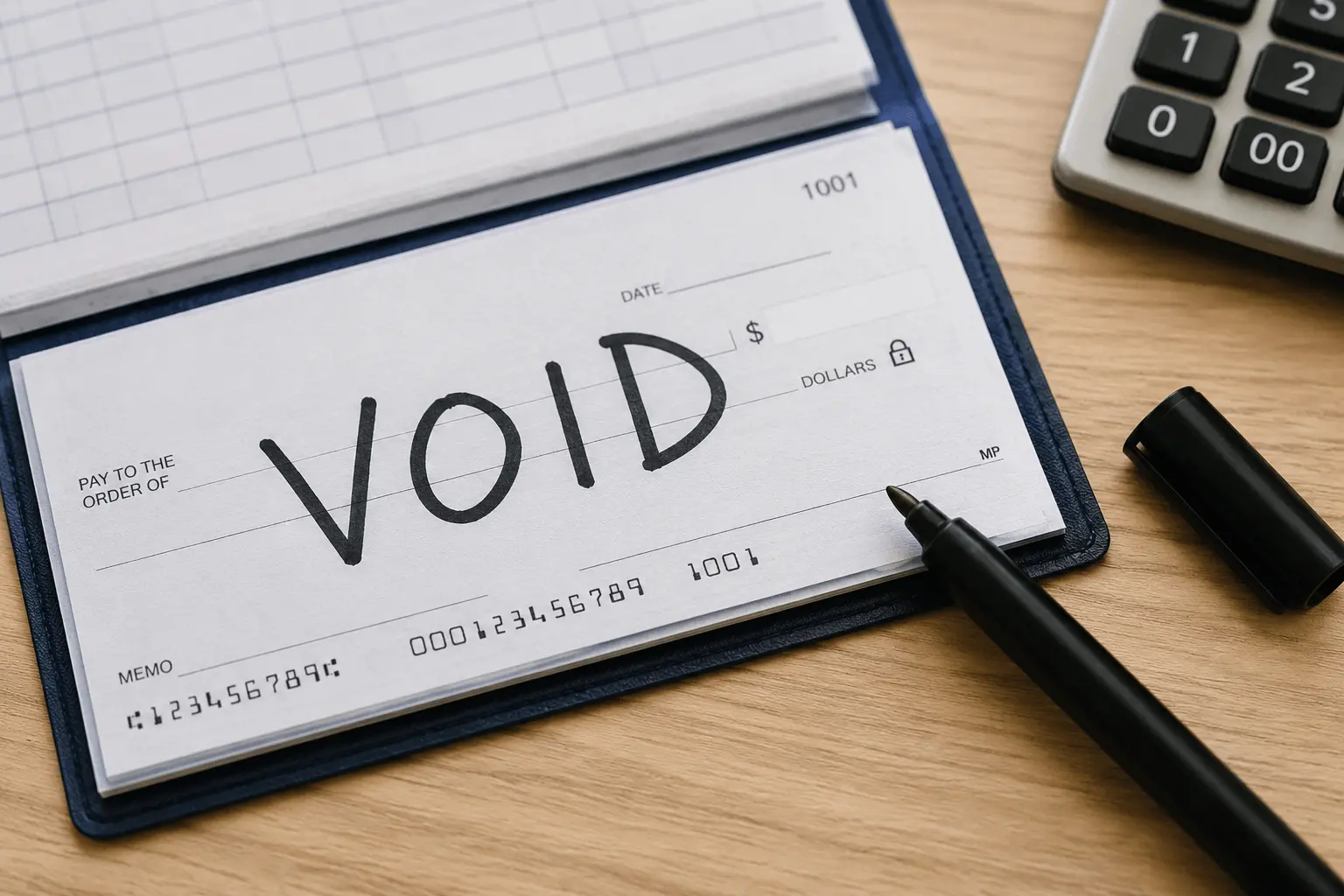
How to void a check
Sometimes, you mess up while writing a check. Or, you may need to provide your banking info to an employer or payment app. That’s when you void a check.
To void a check:
- Take a blank check from your checkbook.
- Write VOID in large, clear letters across the front.
- Don’t sign or fill out anything else.
A voided check still shows your routing and account numbers, which is why it’s commonly used to share banking details for direct deposit or payments. Only share voided checks with trusted organizations and follow basic check security practices.
How Modak helps
- 💳 Modak helps kids and teens practice real-world money management with a Visa® debit card and parent supervision.
- 📱 Digital payments, transfers, and spending tools make managing money faster and easier than relying on checks.
- 🎯 Through savings goals, rewards, and financial learning tools, Modak helps kids build modern money habits while understanding traditional banking concepts.
How long are checks good for?
In the U.S., banks are generally not required to honor personal checks older than 6 months (180 days), though some may still process them at their discretion.
This is known as a stale-dated check. To avoid issues:
- Always deposit or cash checks as soon as possible.
- If you’re writing checks to others, let them know about the expiration.
Modern tools like Modak help you learn (and move beyond) checks
While checks are important to understand, most teens and young adults today rarely use them for everyday spending. This is where tools like Modak bridge the gap between traditional banking knowledge and modern financial habits.
With Modak, teens can:
- Receive payments digitally, no need to wait for checks to clear.
- Send money securely, using their Modak Visa® debit card or app.
- Learn financial literacy, understanding old-school tools like checks while mastering modern money management.
There are no monthly fees, so you can get started easily, with additional features available as you grow.
Parents can use Modak to teach both sides of financial responsibility: the history and process of writing a check, and the speed and convenience of today’s digital transactions.
That way, kids grow up ready for any payment situation, whether it’s mailing a rent check or tapping their card at a store.
FAQs
What is the proper way to write a check?
Follow these steps:
- Write the date (top right)
- Name the payee (“Pay to the Order of” line)
- Enter the amount in numbers and words
- Add an optional memo
- Sign the check to authorize it
How do you write $1500 on a check?
Write 1500.00 in the amount box, and spell it as: One thousand five hundred and 00/100 dollars
Whether you’re writing your first check or learning how money works, understanding this tool still matters. But once you’ve got the basics down, you can move on to faster and more flexible ways to manage your money.
With tools like Modak, you can build those habits while earning rewards along the way, combining traditional knowledge with a more modern approach to money.
- Details on MoGold features, including cashback purchase eligibility, saving goals, instant funding limits (waived up to $25 in fees per month) and free physical card shipping are available in our Terms & Conditions.