
What club are you part of at school? Kids share their favorites and dream club ideas

- 🎭 Kids choose clubs as a way to express identity and feel seen, not just to fill time.
- 🧠 Different kids seek different things, some want to create, others to compete, and others to help.
- 💡 Many kids imagine clubs that don’t exist yet, showing they want spaces that match their specific interests, including learning about money.
Quick answer: We asked 1,043 kids inside the Modak app about their school clubs or the clubs they wish existed. Creative clubs like art, drama, and theater led the way. A strong group chose strategy clubs like chess and robotics. And dozens of kids invented clubs that don’t exist yet, including, more than once, a club specifically for learning about money.
The quotes below come directly from kids and teens who responded to a reflection challenge inside the Modak app. Grammar has been lightly corrected for readability. No answers were fabricated or altered in meaning.
Ask a kid what they do after school, and you’ll learn a lot more than their schedule. You’ll learn what they care about, how they see themselves, and what kind of space they’re looking for.
We asked 1,043 kids inside the Modak app: “What club are you part of at school, and what’s your favorite thing about it? If you’re not in one, what school club would you love to join or create, and why?” The answers were creative, funny, specific, and surprisingly revealing.
Here’s what they said.

Why creative clubs are where most kids feel at home
Where creativity becomes identity
The biggest cluster of responses by far wasn’t sports or academics. It was creative expression. Art club, drama, choir, band, dance, theater, graphic design. Kids chose these spaces not because they have to, but because they want to be seen doing something they made.
“I’m in drama club and I love how fun it is to hang out with my scene partners.”
“I am in theater and the thing I love about it the most is the performances we get to put on for people.”
“I’m in a band club and my favorite thing about it is seeing others express themselves freely through music.”
“I am in gaming and tech club. I love to see others’ creations. I joined because I LOVEEE to code.”
There’s a pattern here: what draws kids in isn’t the activity itself it’s the audience. They want to make something and share it. That’s not just a hobby. That’s identity.
For some kids, it’s all about competition and getting better
The kids who think in moves, not moments
Right alongside the artists, a solid group of kids leaned into clubs where being sharp is the whole point. Chess clubs dominated this category, but debate, math bowl, robotics, and science olympiad showed up strong too.
“I am the manager of the math club and I’m on the chess club.”
“If I were in a club, I’d choose chess club, my grandfather played chess with me and showed me the rules.”
“I am in BETA, 4-H, STUCO, Quiz Bowl, Robotics, Chess, GT, and Band.”
“Technology Student Association, I like the competitions in the club.”
For these kids, belonging comes through being good at something. The club isn’t just a place to hang out — it’s a place to prove something, to themselves as much as anyone else.
Sports play a different role but still shape identity
The ones who do it all
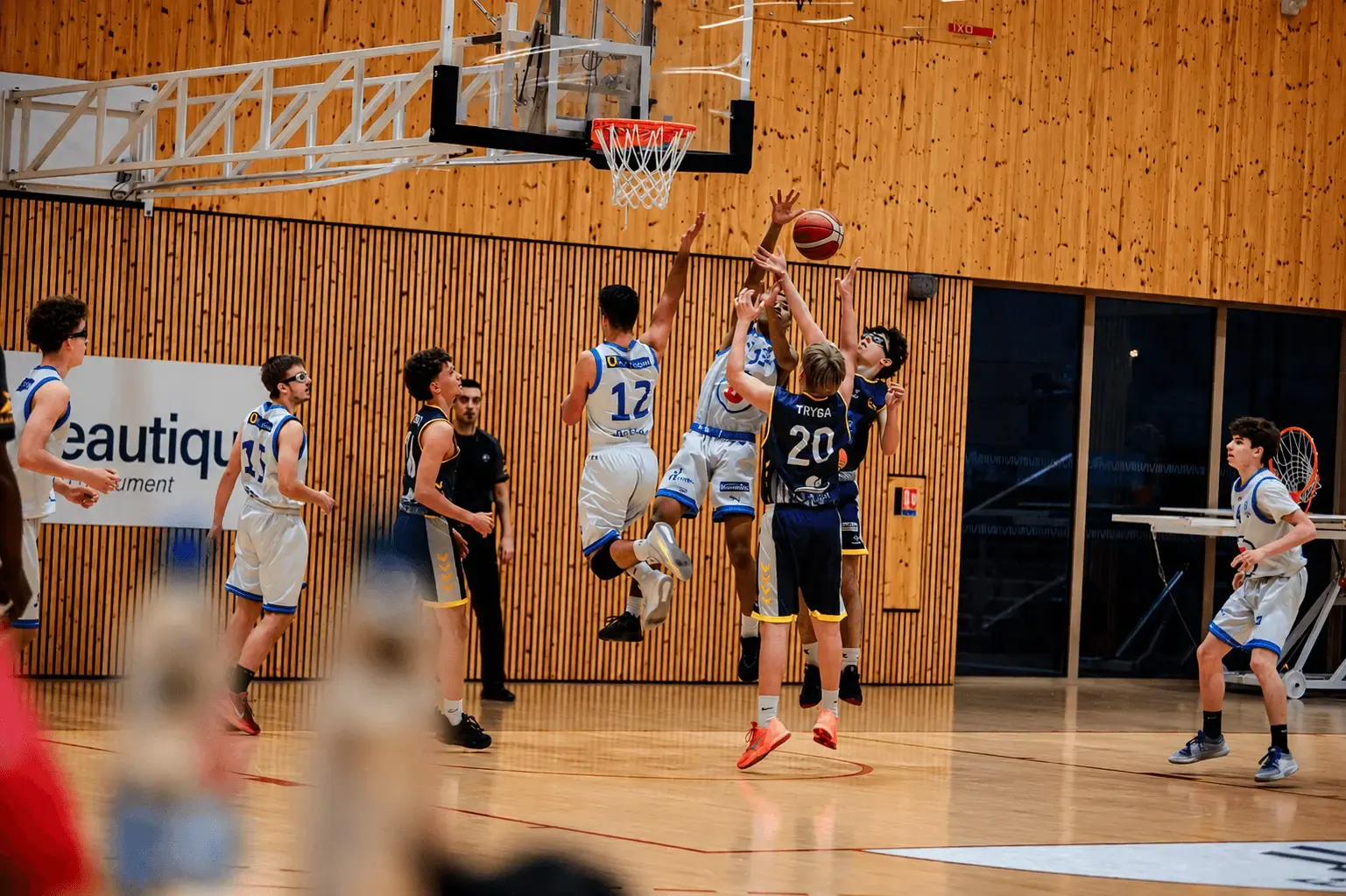
Sports weren’t the top category, but they weren’t absent either. A meaningful group of kids described being in a sport as their after-school identity, sometimes alongside other clubs, sometimes on its own. What stood out was how differently kids talked about sports compared to arts or strategy clubs. Sports responses tended to be brief and confident. No explaining why. Just: this is what I do.
“I’m in track, basketball, and football.”
“I’m in soccer and I love it because it keeps me active and I have the best teammates.”
“I’m not in a club unless a sport counts. I’d like to learn more about money management because it would be helpful in life.”
“I’m in cheerleading and drama, I like having more than one thing I’m good at.”
That third response is worth sitting with. The kid almost dismissed their own answer — “unless a sport counts” — and then immediately said what they actually want: to understand money. That kind of self-awareness, buried in a casual aside, shows up more than you’d expect in this dataset.
Some kids are drawn to roles that actually help others
When belonging comes from responsibility
Some of the most thoughtful responses came from kids in service-oriented clubs — and the way they described them was different from everything else. Less “I love it” and more “we do something that matters.”
“I’m part of the Leo Club. It’s a club where we volunteer at a lot of places like food pantries, festivals, and the Special Olympics.”
“I’m in a club called Heartfelt that I help run. My favorite part is that we get to make crafts to give to people in hospitals.”
“I’m part of safety patrol club in my school — I make sure when people are coming to school while the buses are moving they don’t get hit.”
“I am in safety patrol and I love it because I get to put little kids in their cars.”
These kids aren’t just joining a club, they’re stepping into a role. And they know the difference.
The clubs kids wish existed (and are already imagining)
Ideas that go way beyond what schools offer
Here’s the most surprising part of the whole dataset: a huge number of kids didn’t describe a club they’re in they described a club they wish existed. Oceanography. Reptiles. Money management. Mug club. Dragon club. Sleep club.
“I’m not in a club right now but I would like to make an Oceanography club.”
“I’m not in a club but I’d love to join the reptile club at my school.”
“I would join mug club, because of the fun drinks, food, stories, and activities!”
“I’m not in a club — I want sleep club.”
“I would create a house system where each house has 2 leaders and we have competitions every other Friday.”
That last one isn’t just a club idea. It’s a whole governance structure. These kids aren’t waiting for someone to hand them an option, they’re already designing the thing they want.
How Modak helps
- 🎯 Modak gives kids a sense of role and purpose through tasks, goals, and progress they can track.
- 🏆 Features like MBX rewards tap into the same motivation as competitive and challenge-based clubs.
- 💳 The app creates a space where managing money feels hands-on and social, like the kind of club kids already want to be part of.
Not every kid has found their thing yet
The quiet group that’s still figuring it out
Not every kid in the dataset described a club they love or a dream club they’d invent. A quieter category emerged too: kids who said they weren’t in anything yet, didn’t feel like they’d found their thing, or weren’t sure what they wanted. These responses were some of the shortest in the dataset, but they might be the most honest.
“I’m not in a club. I don’t really know what I’m interested in yet.”
“I’m not in a school club but I want to be. I just haven’t found one that feels right for me.”
“I haven’t joined any clubs. I want to but I feel nervous.”
“I don’t do clubs. Maybe one day.”
There’s nothing wrong with any of these answers. Not every kid has figured out what they want to be known for yet, and a lot of the most interesting adults were once exactly these kids. What’s worth noticing is that this group is still paying attention. They said “I want to” and “maybe one day”, not “I don’t care.” They’re waiting for something that fits. That’s a very different thing from not being interested at all.
What club would kids love to join or create and why?
The signal hiding in plain sight
Among all the creative and niche club ideas, one answer stood out for what it signals — and it came up more than once.
“I’m not in a club unless a sport counts. I’d like to learn more about money management because it would be helpful in life.”
“I’m in a club where you learn about money and how to spend it.”
“I would create a financial club.”
These aren’t kids who were prompted to think about money, they brought it up themselves, in an answer about school clubs. That’s a real signal. Financial learning doesn’t have to feel like homework. When it’s wrapped in challenge, community, and a sense of identity, kids are genuinely interested.
That’s exactly what Modak is built to be. Not a lecture on budgeting. A place where managing money feels like something you’d actually want to be part of, because it works the same way the best clubs do: you get a real role, real tasks, and something to show for the effort.
Where Modak fits into all of this
Whether a kid is in chess club, drama, Leo Club, or designing their dream oceanography program in their head, the thread running through every answer is the same: they want somewhere to belong, something to be known for, and the freedom to be specific about who they are.
Here’s how that maps to what Modak actually includes:
- Kids who want a role and real responsibility: Modak Chore Tasks: specific, named tasks assigned by parents with real earnings attached, not an allowance, a job
- Kids who track progress toward something: Modak Goals⁴: name a goal, set a target, watch the balance build, the same satisfaction as watching a competition score go up
- Kids who respond to challenges and rewards: MBX rewards system¹: earn points through app challenges, a concrete incentive structure that kids who like competition tend to understand immediately
- Kids who want money to feel real, not theoretical: Modak Visa® debit card: a real card for real purchases, because actually spending what you earned is how the lesson lands
They’re not looking to fit a mold. They’re looking for a space that fits them. That’s worth remembering, not just for school, but for everything we build for this generation.
FAQs
What club are you part of at school? The most common answers from 1,043 kids
Creative clubs (art, theater, music, tech) were the most popular by far. Competitive clubs like chess, robotics, and debate came next, followed by service clubs. Sports appeared less frequently. One standout: many kids invented their own clubs, especially around money and financial literacy.
What’s your favorite thing about being in a school club? What kids say drives that answer
Kids value feeling seen, belonging, and being good at something specific. It’s less about the activity and more about identity, creative kids want an audience, competitive kids want to prove themselves, and service-focused kids value their role.
What school club would you love to create and why? What it means when kids say a financial club
It means kids are interested in money, just not in a classroom format. They want hands-on, social, and goal-driven ways to learn. A “financial club” reflects a desire to learn by doing, not by being taught.
If you’re not in a club, what would you love to join? How parents can help kids who haven’t found their thing yet
Many kids aren’t in clubs simply because they haven’t found the right fit. What works best is low-pressure exploration, trying things, asking what they enjoyed, and noticing what excites them. The goal is finding what clicks, not filling time.
What club would you create if you could? How Modak works like the financial club kids are asking for
Modak mirrors what makes clubs engaging: tasks, goals, progress, and rewards. Kids earn money through chores, set savings goals, earn MBX¹, and use a real Visa® debit card. It’s a hands-on way to learn money skills, without feeling like a class.
The money club they’re looking for? It’s in the app
Modak gives kids real tasks, real savings goals, and a real debit card because managing money is better learned by doing it.